Streetwear Graphic Design: The Bold Visual Language of Urban Culture
Streetwear graphic design isn't just about slapping a cool image on a t-shirt. It's a visual language, a cultural dialect spoken through bold typography, iconic imagery, and a distinct attitude that resonates with a global audience. Rooted in the aesthetics of skate, hip-hop, and urban subcultures, this style communicates rebellion, authenticity, and trend-awareness. For designers, entrepreneurs, and creators, understanding its core components is essential for crafting authentic brand identities and merchandise that truly connect.
The Anatomy of Streetwear Visuals: More Than Just a Logo
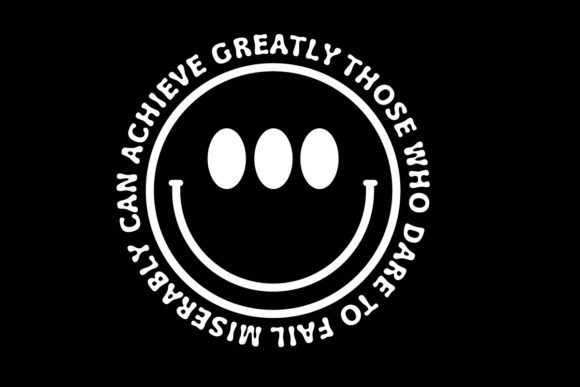
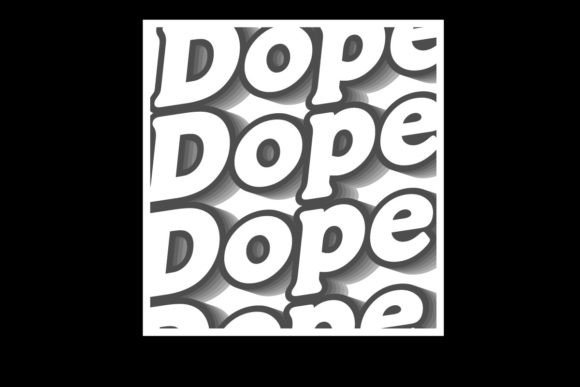
At its heart, streetwear graphic design is characterized by a few unmistakable traits. It often employs high-contrast compositions, where a powerful central graphic or typographic element commands attention. The palette can range from stark black and white to vibrant, clashing colors, always chosen for maximum impact. The personality is confident, sometimes irreverent, and deeply connected to music, art, and street culture. It's a style that values statement over subtlety, making it perfect for apparel, posters, and digital media where grabbing attention quickly is paramount.
The appeal lies in its versatility and raw energy. A well-executed streetwear design can elevate a simple hoodie into a cultural artifact or turn a social media graphic into a shareable piece of art. It's a premium font style in the visual world—immediately recognizable and carrying significant cultural capital. This makes it a powerful tool for building a brand identity that feels current, edgy, and relevant.
Practical Applications: From T-Shirts to Brand Ecosystems
The true power of streetwear graphic design is revealed in its application. It's the engine behind some of the most successful apparel brands, but its reach extends far beyond clothing.
- Apparel & Merchandise: This is its natural habitat. T-shirt graphic design, hoodies, caps, and accessories become canvases for bold statements and iconic imagery. The designs are built to be printed, often using techniques like screen printing or sublimation.
- Brand Identity & Logo Design: A streetwear-inspired logo can instantly position a brand as youthful, innovative, and culturally aware. It works exceptionally well for brands in music, tech startups, creative agencies, and urban lifestyle products.
- Digital & Social Media: The high-impact nature of these graphics makes them perfect for Instagram posts, YouTube thumbnails, and website banners. They stop the scroll and communicate a message instantly, boosting engagement and recognition.
- Packaging & Editorial Design: Product packaging for limited-edition releases, sneaker boxes, or even coffee bags can leverage streetwear aesthetics to create a premium, collectible feel. Similarly, magazine layouts and zines often use this style to reflect a counter-culture or avant-garde perspective.
When you're working with design assets built in this style, you're not just getting a graphic; you're accessing a visual shorthand for a particular lifestyle and set of values. This is why evaluating the included files—like high-resolution PNGs with transparent backgrounds and fully editable vectors—is so critical. You need assets that are as flexible and robust as the style itself.
Choosing and Implementing Streetwear Graphics Effectively
Integrating streetwear graphic design into your projects requires a strategic approach. It's not a one-size-fits-all solution, and its effectiveness depends on context and execution.
Evaluating Fit and Readability
First, ask if the style aligns with your project's core message. Is your brand's personality bold and disruptive, or is it more refined and understated? Streetwear graphics excel in the former. Next, consider readability. A complex, gritty graphic might look incredible on a poster but could become illegible on a small social media icon. Always test designs at various scales to ensure the visual hierarchy remains clear. The key elements—the main graphic or text—must be instantly discernible.
Font Pairing and Visual Harmony
Typography is a cornerstone of this aesthetic. Pairing a heavy, distressed display font common in streetwear with a clean, simple sans serif font for body text creates a balanced and professional look. Avoid competing for attention; let the streetwear element be the hero. This principle applies whether you're designing a logo, a website header, or a t-shirt. The goal is to create a cohesive visual system where each element has a defined role.
Leveraging Editable Assets
The value of a fully editable vector file cannot be overstated. It allows you to customize colors to match your brand's palette, scale graphics without quality loss, and adapt designs for different mediums—from a tiny sticker to a large-format banner. This flexibility is what separates a generic design asset from a truly useful professional tool. It ensures consistency across all your brand touchpoints, which is fundamental to building recognition and trust.
Ultimately, streetwear graphic design is a dynamic and powerful tool in a modern creative's arsenal. Its strength lies in its cultural resonance and visual boldness. By understanding its characteristics, applying it thoughtfully to the right projects, and using high-quality, adaptable assets, you can harness its energy to create compelling designs that capture attention and communicate with undeniable impact. Whether you're launching a clothing line, refreshing a brand's social media presence, or creating striking editorial layouts, this style offers a direct line to a vibrant and engaged audience.