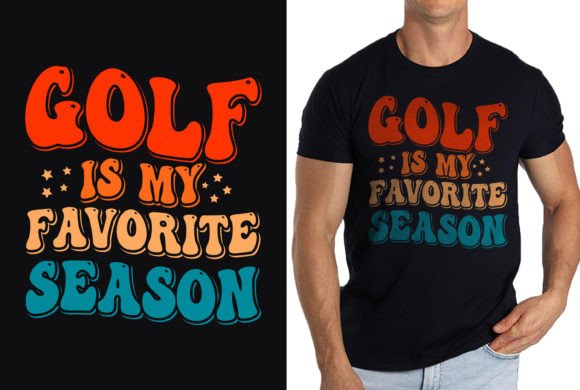
Mastering Golf T-Shirt Design Graphics for Apparel
The Anatomy of a Professional Print-Ready Asset
When you are building a clothing line or a print-on-demand (POD) store, the distance between a hobbyist design and a professional product lies in the technical specifications of your design assets. A high-quality Golf T-Shirt Design Graphic is more than just a picture of a club and a ball; it is a meticulously engineered file system built for production. The specific asset we are discussing here represents the gold standard for commercial font and graphic usage. It features a massive 4500px by 5400px canvas at 300 DPI. For those not versed in print jargon, this means the image is incredibly dense with pixels, ensuring that even on a 3XL shirt, the lines remain crisp and the edges sharp. Unlike standard web images that pixelate when stretched, these files are fully transparent PNGs. This transparency is crucial for brand identity, allowing you to layer the golf graphic over any shirt color—whether it’s a crisp white polo or a charcoal grey hoodie—without worrying about ugly white boxes surrounding your design.
Scalability and Versatility in Modern Typography
The inclusion of an EPS Vector file changes the game entirely for logo design and large-format printing. Vectors are mathematical equations rather than fixed pixels. This means the Golf T-Shirt Design Graphic can be scaled from a small left-chest pocket logo to a massive poster or banner without losing a single ounce of quality. This versatility is vital for packaging design and editorial design where assets need to adapt to various mediums. The files are fully editable, allowing you to deconstruct the shapes, change colors to match specific team uniforms, or modify elements to fit a unique web design layout. Because the files are built with 100% vector shapes, they integrate seamlessly with other display font or serif font elements you might be using, creating a cohesive visual hierarchy that guides the viewer's eye exactly where you want it.
Practical Applications Beyond the Fairway
While the obvious application is apparel, the utility of a robust graphic file extends far beyond cotton t-shirts. Creative professionals and small business owners often overlook the potential of these assets in social media graphics and digital marketing. A high-res golf graphic can serve as the focal point for an Instagram campaign, a Facebook cover photo, or a newsletter header. The "Easy to modify" nature of these files allows for rapid iteration. If you are a content creator or blogger focusing on the lifestyle niche, you can use these vectors for iron-on transfers, custom mugs, or even wall art for a home office. The files are optimized for Cut machines like Cricut or Silhouette, meaning the vector paths are clean, reducing the time spent tracing and weeding vinyl decals. This level of optimization speaks to modern typography and asset management principles, ensuring that your workflow remains efficient and your output remains professional.
Strategic Branding and Audience Engagement
Choosing the right visual assets is a strategic decision that influences readability and brand perception. A generic, low-resolution clipart image can make a brand look cheap or temporary. Conversely, utilizing a premium, high-fidelity Golf T-Shirt Design Graphic signals quality and attention to detail. When a customer looks at a shirt with a 300 DPI graphic, the ink sits differently, and the visual impact is immediate. This is where the intersection of graphic design and font pairing becomes critical. While this asset focuses on the graphic element, it must coexist with the typography on the shirt. Whether you choose a bold sans serif font for a modern athletic look or a script font for a classic country club vibe, the graphic needs to be sharp enough to stand up to the text. The 300 DPI specification ensures that the graphic doesn't look muddy next to crisp typefaces, maintaining the integrity of your typography choices.
Ensuring Longevity and Professional Consistency
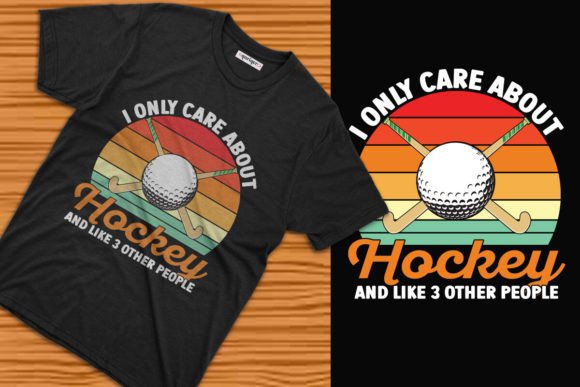
For entrepreneurs and marketers, consistency is the currency of trust. When you use a standardized set of assets, such as this Golf T-Shirt Design Graphic package which includes mockups, you ensure that what the customer sees online matches what they receive in the mail. The inclusion of 3 T-Shirt Mockups allows you to present your designs in a realistic context before a single drop of ink is printed. This is a vital step in packaging design and e-commerce strategy. Furthermore, the ability to change colors easily means you can create a cohesive collection—perhaps a summer line in pastels and a winter line in deep greens—using the exact same core asset. This approach to design assets management saves time and reinforces your brand identity across different seasons and product lines, making your shop look established and professionally curated rather than disjointed.
Final Thoughts on Production Readiness
In the world of apparel and clothing production, preparation is everything. Files that require extensive cleanup, tracing, or resizing create bottlenecks. The value of a "Print-Ready" file cannot be overstated. It allows crafters, hobbyists, and designers to focus on the creative aspect—the font pairing, the color theory, the marketing copy—rather than technical troubleshooting. Whether you are using this for a one-off gift or a bulk order for a corporate golf event, the 4500x5400px dimension provides a safety net for almost any production method, from DTG (Direct to Garment) printing to screen printing and heat transfer. By prioritizing high-quality, vector-based assets, you are investing in the longevity of your products and the credibility of your brand. It ensures that your work looks as good on a physical hanger as it does on a digital mockup, bridging the gap between digital conception and print reality.