Hustle Streetwear Graphic Design: Urban Edge for Modern Brands
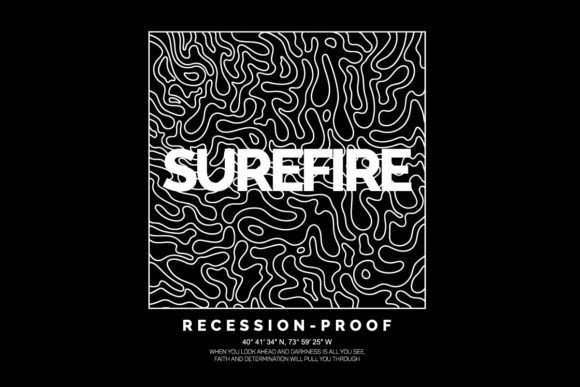
When you first encounter a collection like Hustle Streetwear Graphic Design, you’re not just looking at a set of graphics; you’re looking at a vibe. It captures that raw, energetic pulse of the city—think bold typography, gritty textures, and abstract compositions that feel right at home on a concrete wall or a high-end tee. For designers and entrepreneurs, this isn't just decoration; it's a toolkit for building a brand identity that speaks the language of the street. These designs bridge the gap between raw street art and polished commercial merchandise, offering a unique aesthetic that stands out in a crowded market.
Understanding the Streetwear Aesthetic
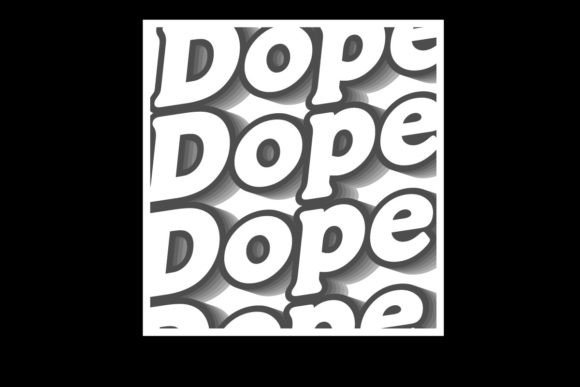
Streetwear is more than just clothing; it's a cultural movement, and the graphics need to reflect that depth. The visual characteristics of a strong streetwear collection often involve a mix of bold sans serif and script font styles, layered with distressed textures. It’s about that "lived-in" look that feels authentic. You’ll often see elements that mimic spray paint drips, screen-printing errors, or high-contrast photography. The personality here is confident, rebellious, and unapologetic. It appeals to a younger demographic but retains a sophistication that works for established brands trying to tap into contemporary culture.
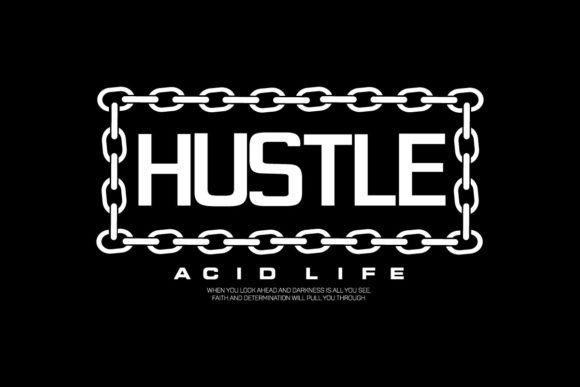
From a design perspective, this style relies heavily on visual hierarchy. It’s not about being quiet; it’s about making a statement. Whether you are working on logo design for a new clothing line or creating social media graphics for a drop, the composition needs to command attention immediately. The "Hustle" aesthetic specifically leans into themes of ambition and grind, making it perfect for motivational brands or lifestyle companies that want to project strength and resilience.
Practical Applications for Designers and Entrepreneurs
The versatility of vector-based streetwear graphics is a massive advantage for creative professionals. Because these assets are typically provided in formats like EPS, you aren't locked into a static image. You have the freedom to manipulate the design to fit your specific needs. This is crucial for maintaining brand consistency across different mediums.
Here is where these designs shine in real-world applications:
- Custom Merchandise: The most obvious use is apparel. These graphics are optimized for t-shirt sublimation and DTG (Direct-to-Garment) printing. Because you can scale them without losing quality, they work just as well on a small chest pocket logo as they do on a massive back print.
- Digital Branding: Don't limit these assets to print. Use them to create dynamic web design headers, YouTube thumbnails, or podcast cover art. The bold nature of streetwear graphics ensures high click-through rates on social feeds.
- Editorial and Packaging Design: If you are working on a magazine layout or product packaging for a street-adjacent product (like energy drinks or skate gear), these elements add an instant edge. They break the monotony of standard corporate design assets.
File Flexibility and Quality Control
One of the biggest frustrations in design is working with low-resolution files. A professional streetwear collection solves this by providing 100% vector sources. This means you can recolor elements to match your specific brand palette without the image becoming muddy. If your brand identity uses neon green and black, you can easily swap the colors in Illustrator or CorelDRAW. You can also remove or add text elements. For example, you might love the background texture of a design but want to replace the default slogan with your own tagline. Vector files make this non-destructive editing possible.
Integrating Streetwear Graphics into Brand Strategy
Choosing the right design asset is about more than just aesthetics; it’s about psychology. When a customer sees a design that utilizes the Hustle Streetwear Graphic Design style, they immediately associate it with a certain lifestyle—urban, modern, and active. This influences brand perception significantly. If you are launching a startup targeting Gen Z or Millennials, using clean, corporate serif fonts might feel out of touch. Conversely, using gritty, urban graphics signals that you understand their world.
However, readability remains paramount. Streetwear designs often push the boundaries of legibility for stylistic effect. As a designer, your job is to balance the "cool factor" with functionality. If you are designing a logo, ensure the text is legible at small sizes. If it’s a poster, you have more room to play with complex compositions. Always test your font pairings. A bold, distressed display font works best when paired with a clean sans serif font for body text. This contrast creates a balanced visual hierarchy that guides the viewer's eye without overwhelming them.
Commercial Use and Licensing Considerations
Before integrating any design asset into a commercial project, always review the licensing. Most premium design collections allow for use in print-on-demand and merchandise, but it is your responsibility to ensure you have the rights to sell the final product. Look for assets that come with a clear commercial license. This protects your business and ensures you aren't infringing on copyright. The value of a "premium font" or graphic pack isn't just the pixels; it's the legal freedom to use it to generate revenue.
Ultimately, the goal is to create a cohesive ecosystem for your brand. By utilizing high-quality, editable streetwear graphics, you ensure that every touchpoint—from a business card to a hoodie—feels intentional and professionally crafted. It’s about taking that raw urban energy and channeling it into a polished product that resonates with your audience.