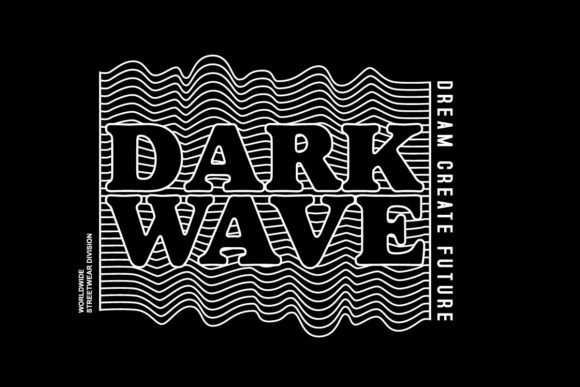
Dark Wave Quotes Graphic Tee Design: A Streetwear Essential
The urban landscape is constantly shifting, but some aesthetics remain timeless. The Dark Wave Quotes Graphic Tee Design captures a specific mood—a blend of moody introspection, bold statements, and gritty urban texture. It’s not just a piece of art; it's a wearable narrative. For designers and entrepreneurs, this design represents more than a single graphic; it’s a foundational asset for building a cohesive, impactful streetwear brand. Its power lies in its versatility and raw, authentic appeal that resonates deeply with a mature, style-conscious audience.
Anatomy of the Aesthetic: More Than Just a Tee
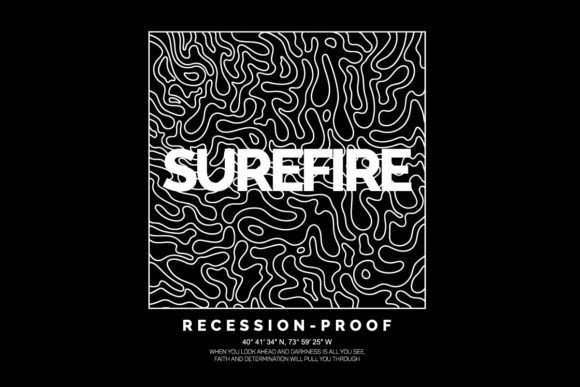
At its core, the Dark Wave design is a study in contrast and emotion. Visually, it likely combines distressed textures, sharp typographic elements, and perhaps symbolic iconography that hints at themes of solitude, resilience, or nocturnal energy. The color palette leans into monochromes or muted, desaturated tones, creating a sense of depth and sophistication. This isn't a design that shouts; it commands attention through its thoughtful composition and inherent cool factor. It functions as a powerful display font in graphic form, making it perfect for statement pieces where the message is paramount.
The personality of this design is introspective yet assertive. It appeals to individuals who see their clothing as an extension of their identity—people who appreciate subtlety with impact. For a streetwear fashion brand, incorporating such a design immediately establishes a specific tone. It suggests a brand that values narrative, quality, and a certain artistic edge over fleeting trends. This aesthetic aligns perfectly with the modern consumer's desire for authenticity and personal expression in their wardrobe.
From Digital File to Tangible Product: Practical Workflow
The true value of a premium design asset is in its utility. This collection is delivered as 100% vector source files in EPS format, accompanied by high-resolution JPGs. This is critical for any serious production work. Vector files are the industry standard for a reason: they are infinitely scalable. You can transform, scale up & down, add & remove elements or text, and recolor without losing quality. This means the same core design can be adapted for a small chest logo on a tee, a large back print, a hoodie, a tote bag, or even a poster.
The workflow is straightforward for anyone familiar with basic design software. You can easily edit the vector files in programs like Adobe Illustrator, Affinity Designer, or even free alternatives like Inkscape. Need to tweak the quote? Adjust the kerning? Change a color to match your brand's specific hex code? All of this is possible with a few clicks. The included high-resolution JPG is perfect for mockups, presentations, or direct use in sublimation printing, ensuring what you see on screen translates accurately to fabric.
Strategic Applications for Creators and Businesses
For the small business owner or entrepreneur, this asset is a launchpad. It allows you to create professional, on-trend merchandise without the high cost of commissioning custom illustration from scratch. The design's inherent quality elevates your product line instantly. Consider these applications:
- Custom Printed Clothing: The primary use. Create limited-run tees, hoodies, and sweatshirts that form the core of your collection.
- Brand Identity Elements: Use isolated elements from the design—like a specific texture or a modified typographic treatment—as part of your broader brand identity system for tags, packaging, and website graphics.
- Digital Merchandise: The graphic can be adapted for digital wallpapers, sticker packs for messaging apps, or even as a visual motif for a music playlist or blog header.
- Editorial and Social Media: Bloggers and content creators can use the design as a thematic backdrop for Instagram stories, YouTube thumbnails, or article graphics that align with a dark, urban, or artistic niche.
The key is to think of the design not as a static image, but as a modular kit. The vector sources are your raw materials. You might use the full composition for a hero product, then deconstruct it, using just the typographic element for a minimalist cap, or the textured background as an overlay for a photograph. This flexibility is what separates professional-grade design assets from simple clip art.
Evaluating Fit and Ensuring Quality
Before integrating any design into your project, a critical evaluation is necessary. Does the Dark Wave aesthetic align with your target audience's values and your brand's core message? It's ideal for brands positioned in the alternative, indie, or avant-garde streetwear space. It might clash with a bright, playful, or overly corporate identity.
When you receive the files, open them in your vector software. Check the integrity of the paths. Are the shapes clean? Is the text converted to outlines (curves), or do you need the original font file? While the design is a creative font in graphic form, having the ability to edit the text is a major plus for customization. Test the color separation process if you're planning for screen printing. The EPS format should handle this well, but it's always wise to run a test with your printer.
Finally, consider font pairing if you plan to add supplementary text, like your brand name or a size label. The bold, often serif or stylized nature of the main quote graphic pairs well with clean, geometric sans serif fonts for supporting information. This creates a clear visual hierarchy, ensuring the main statement remains the focal point while maintaining overall legibility and professionalism. The goal is to use the design's inherent style to build a cohesive visual language, not to compete with it. This thoughtful approach to integration is what transforms a good design into a powerful tool for connection and commerce.