Columbus Day Graphic T-Shirt Design: A Versatile Asset for Creators
Finding a design that captures a specific holiday spirit while offering genuine flexibility for production is a constant challenge for creators. A well-executed Columbus Day Graphic T-shirt Design serves more than a single seasonal purpose. It acts as a foundational asset, providing the core visual element needed to build a cohesive product line or marketing campaign around a patriotic theme. The true value lies in its adaptability and the quality of the source files, which determine how effectively it translates from a digital concept to a physical product.
Understanding the Design's Visual Language
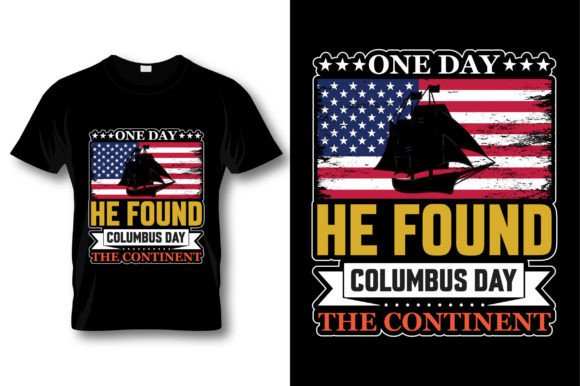
This particular Columbus Day design likely blends iconic American imagery with historical maritime elements. Think of a stylized sailing vessel, perhaps a caravel, integrated with the stars and stripes of the USA flag. The composition might feature a textured, vintage feel or a cleaner, more modern graphic style. Its personality balances patriotism with a sense of exploration and history. The overall appeal is its ability to evoke a specific moment in time while remaining visually engaging for a contemporary audience. It's a design that communicates pride and heritage without being overly literal or complex, making it a strong candidate for apparel and merchandise.
The included file formats are critical for practical application. You receive vector files like Ai, SVG, EPS, and DXF. These are essential for scaling the design to any size without quality loss—whether for a small chest print on a t-shirt or a large back graphic on a hoodie. The high-resolution PNG and JPG files at 300 dpi ensure crisp output for direct printing, especially for sublimation where detail is paramount. Transparent backgrounds in the PNG files simplify the process of layering the design onto different colored garments or mockups, saving significant production time.
Practical Applications Across Products and Projects
The utility of a solid graphic like this extends far beyond a single holiday t-shirt. For entrepreneurs and small business owners, it's a ready-made asset for creating a mini-collection. Use the same core graphic across t-shirts, hoodies, and sweaters for a unified apparel line. The design can be adapted for mugs, pillows, and tote bags, allowing you to offer complementary home goods and accessories. This approach builds brand consistency and increases the average order value by giving customers multiple ways to engage with the design.
For designers and marketers, this asset serves different needs. It can be the cornerstone of a social media graphics campaign leading up to Columbus Day, providing visual cohesion across posts. In packaging design or editorial design for a holiday-themed catalog, the graphic can add a thematic touch. When considering brand identity for a patriotic product line or a historical society, elements from the design could inspire a broader visual system. The key is to view it not just as a finished piece, but as a component within a larger design assets library.
Evaluating Fit and Making It Your Own
Before integrating any design into your workflow, a practical evaluation is necessary. First, assess the style's compatibility with your project's tone. Does the vintage texture clash with your sleek, modern brand, or does it add the perfect touch of authenticity? Test the design's scalability on a mockup. Does it maintain its integrity and readability when printed on a curved mug or a small sticker? This is where the vector formats prove their worth.
Font pairing is another consideration if the design includes text. If the Columbus Day graphic is purely illustrative, you have the freedom to choose a typeface that complements it and aligns with your brand's voice—perhaps a sturdy sans serif font for a clean look or a classic serif font for a more traditional feel. The design's existing style will guide this choice. Remember, the goal is harmony, not competition, between the graphic and any added typography.
From File to Finished Product
The instruction to extract files from a ZIP folder is a standard but crucial step. Using a tool like WinZip or WinRAR, or simply double-clicking on most modern systems, will reveal the organized suite of files. A best practice is to create a dedicated project folder for these assets. This organization becomes vital when you're managing multiple designs and product lines.
When you move to production, the process is straightforward. For a direct-to-garment (DTG) or sublimation print, the high-resolution PNG is often your go-to file. For vinyl cutting or engraving, the vector SVG or DXF file is required. The included mockups are invaluable for creating professional product listings and marketing materials without the need for a physical photoshoot immediately. They help you validate the design's appearance on different products and present it convincingly to your audience.
Ultimately, a well-crafted Columbus Day Graphic T-shirt Design is more than seasonal merchandise. It's a versatile piece of intellectual property that, when used thoughtfully, can enhance product offerings, strengthen brand narratives, and engage an audience interested in American heritage and holidays. Its real power is unlocked through the creator's ability to apply it contextually across various mediums and projects, turning a single graphic into a recurring visual theme.